
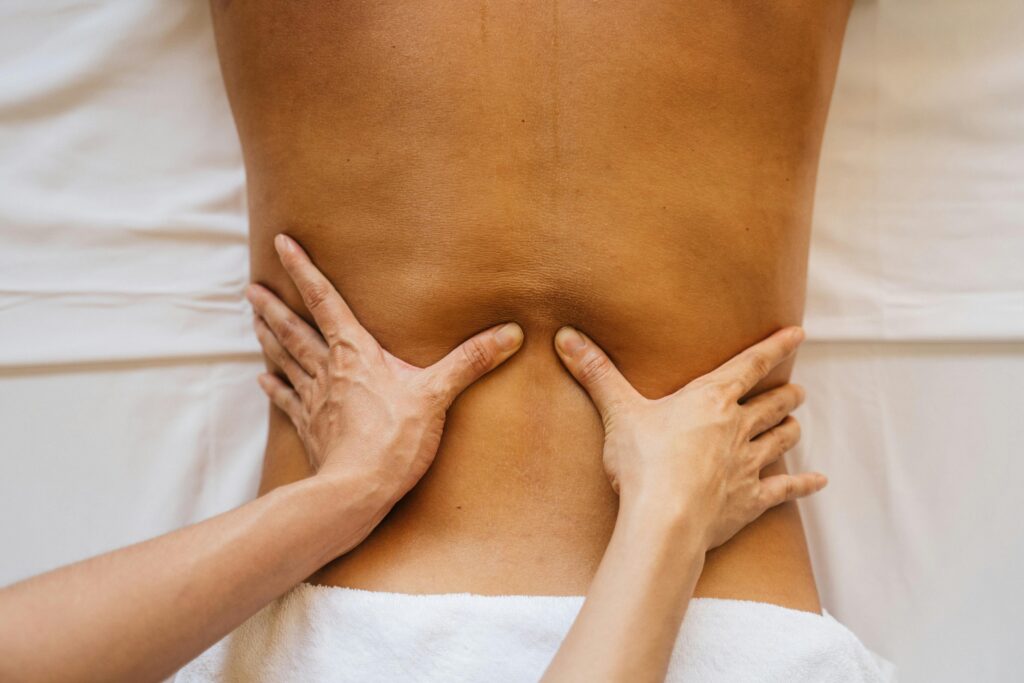
“The preservation of health is easier than the cure of the disease.”
-B.J. Palmer
Massage therapy is one of those universal wellness practices that almost everyone can find something to love about. Whether you live the sedentary life of a couch potato or the high-performance life of a triathlete, massage offers benefits across the board.
We spend our lives collecting stress, tension, and little traumas in the body—most of which go unattended. Over time, they build. And for women with PCOS, that buildup can be even more significant.
Which is why embracing massage as a therapeutic tool for PCOS can be so impactful.
A body living with PCOS often carries more than physical tension. It holds the weight of frustration, hormonal imbalance, fatigue, inflammation, and the emotional toll that comes with it. Chronic stress elevates cortisol levels, which can further disrupt hormones, worsen symptoms, and keep the body stuck in a cycle of imbalance.
Getting support from a professional to physically release that stored tension can be a powerful way to interrupt that cycle—helping to calm the nervous system, lower stress, and create space for healing.
As a licensed massage therapist, this post is likely long overdue. I’ve touched on massage before, but it’s time it had a space of its own.
Some Background
Massage therapy dates back to at least 3000 BCE in India, where it was considered a sacred system of natural healing. Within Ayurveda—“life health” medicine—it was used to heal injuries, relieve pain, and support overall wellness.
At its core, Ayurveda teaches that illness occurs when the body is out of balance. Sound familiar?
For women with PCOS, that concept hits close to home. Hormonal imbalance, insulin resistance, and chronic stress all point back to a system that’s out of sync.
Massage was—and still is—used to help restore that balance.
Today, massage therapy continues as a respected form of holistic care. Practitioners are trained to see the body as interconnected—what affects one system will inevitably ripple into another.
In my experience, many people wait until something hurts enough to interrupt their daily life before seeking help. But with PCOS, prevention and maintenance are key. Supporting your body consistently—rather than reactively—can make a meaningful difference over time.
The Benefits
Massage offers a wide range of benefits, including:
- Relieving stress
- Reducing anxiety
- Improving sleep quality
- Lowering blood pressure
- Easing symptoms of depression
- Supporting immune function
- Reducing muscle tension
- Promoting overall relaxation
And for women with PCOS, many of these benefits directly support symptom management—especially when it comes to lowering cortisol, improving sleep, and calming the nervous system.
I may be a bit biased, but the data supports it—massage has an incredible ability to influence both physical and emotional health.
Let’s take a closer look at a few of the less obvious ways massage can be especially supportive for PCOS.
Human Touch
In the busyness of everyday life, it’s easy to overlook how disconnected we’ve become—from others and even from our own bodies.
Touch deprivation, sometimes called “touch starvation,” can contribute to anxiety, depression, and a sense of disconnection. It can also negatively impact immune and digestive function—two areas already commonly affected by PCOS.
The remedy is simple, but powerful: intentional, safe touch.
Massage therapy provides this in a structured, professional, and deeply relaxing environment. It signals to the body that it is safe to rest, shifting you out of a chronic “fight or flight” state and into “rest and digest.”
For a PCOS body that is often running on stress hormones, this shift is everything.
Even something as simple as a hug from a loved one can begin to soften the edges of stress. But regular massage takes it a step further—helping you reconnect with your body in a way that feels supportive, not frustrating.
Social Life & Connection
We live in a world where we are constantly connected digitally, yet often feel deeply isolated.
Between busy schedules, burnout, motherhood, or simply the weight of not feeling your best, maintaining a social life can feel like work.
Massage therapy gently reintroduces connection. It gives you a reason to leave the house, keep an appointment, and engage—even in a small way.
For women with PCOS, isolation can become a pattern. When your body doesn’t feel like your own, it’s easy to withdraw. But healing doesn’t happen in isolation.
Sometimes it starts with something simple—like showing up for yourself on a massage table.
And maybe, eventually, inviting a friend along for a shared wellness day.
Body Confidence
There are studies suggesting massage may support metabolism and circulation, something valuable to a PCOS body, but that’s not where I like to place the focus.
The real transformation happens in how you feel in your body.
Massage is time that is entirely yours. A moment where your body isn’t something to fix—but something to care for.
For women with PCOS, body image can be complicated. Weight fluctuations, skin changes, and hormonal shifts can create frustration and disconnection.
Massage gently interrupts that narrative.
It allows you to experience your body not as a problem—but as something worthy of attention, care, and respect.
Over time, that shift can rebuild trust, confidence, and a sense of partnership with your body rather than opposition.
Modalities & Options
One of the beautiful things about massage therapy is its versatility. There are over 350 different modalities, each offering something unique.
A few you may consider exploring:
- Swedish Massage (great for relaxation and stress relief)
- Deep Tissue Massage (for chronic tension)
- Lymphatic Massage (helpful for fluid retention and inflammation)
- Hot Stone Massage (deep relaxation and circulation)
- Craniosacral Therapy (nervous system support)
- Reflexology (targeted relaxation through the feet)
Each body is different—especially a PCOS body—so it may take some exploration to find what works best for you.
Final Notes
Massage therapy is a powerful tool—whether you’re seeking relief from chronic symptoms, emotional stress, or simply wanting to feel like yourself again.
But remember: healing is not instant. It takes time to build tension, and it takes time to release it.
Be open with your massage therapist. Communicate your needs. And most importantly, approach the experience as an active participant in your own healing.
For women with PCOS, massage and stress management go hand in hand. Whether it’s calming your nervous system, supporting circulation, or simply giving yourself permission to rest—massage is one of the most effective ways to care for both body and mind.
Personally, it remains one of my favorite tools.
Bringing the Spa Home
One of the reasons I created Willow Tree Therapeutics was to help you bring pieces of this experience into your everyday life.
Because while we may not always have time for an appointment, we can still create small, meaningful moments of care at home.
If you’re looking to support your body in between sessions, explore our collection of PCOS-supportive bath and body care designed to calm the mind, nurture the body, and encourage rest.
Until next time, stay cozy,